
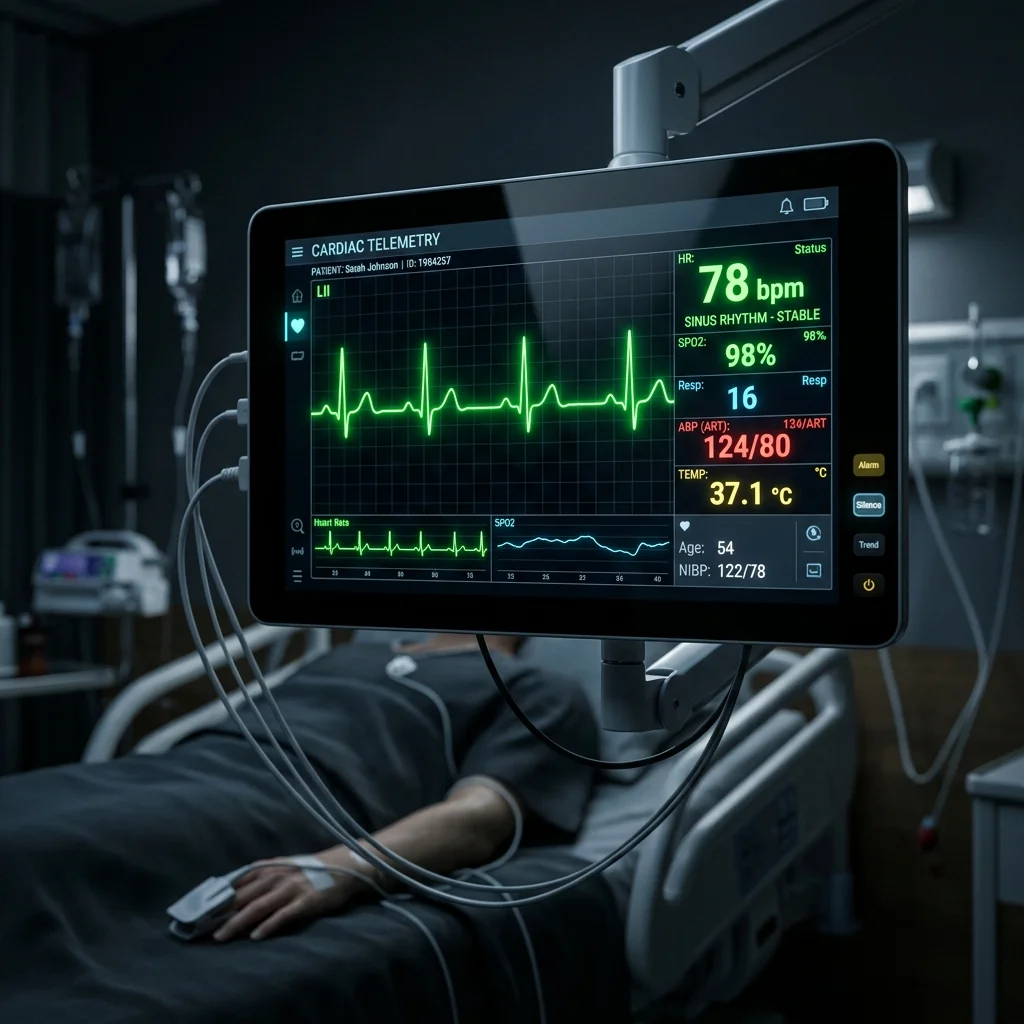
Ambulatory cardiovascular monitoring allows specialists to detect early anomalous markers before severe incidents manifest. By streaming daily telemetry logs, diagnostic systems identify risk factors proactively.
1. Early Anomaly Detection
Algorithms analyze continuous ECG signals to identify premature contractions or rhythm anomalies. Real-time notifications are logged and forwarded to cardiology terminals, optimizing response windows.
2. Wearable Telemetry Integration
Using low-power Bluetooth and standard mobile gateways, patients easily upload daily telemetry logs to the clinics database, maintaining a detailed cardiovascular history.
3. Activity Metric Synthesis
Correlating ambulatory rhythm telemetry with active step counts and sleep cycles allows systems to model cardiovascular behavior in real-life contexts.
4. Clinical Trend PDF Reports
Monthly telemetry trends are compiled into structured, physician-friendly PDF summaries containing key metrics like heart rate variability.